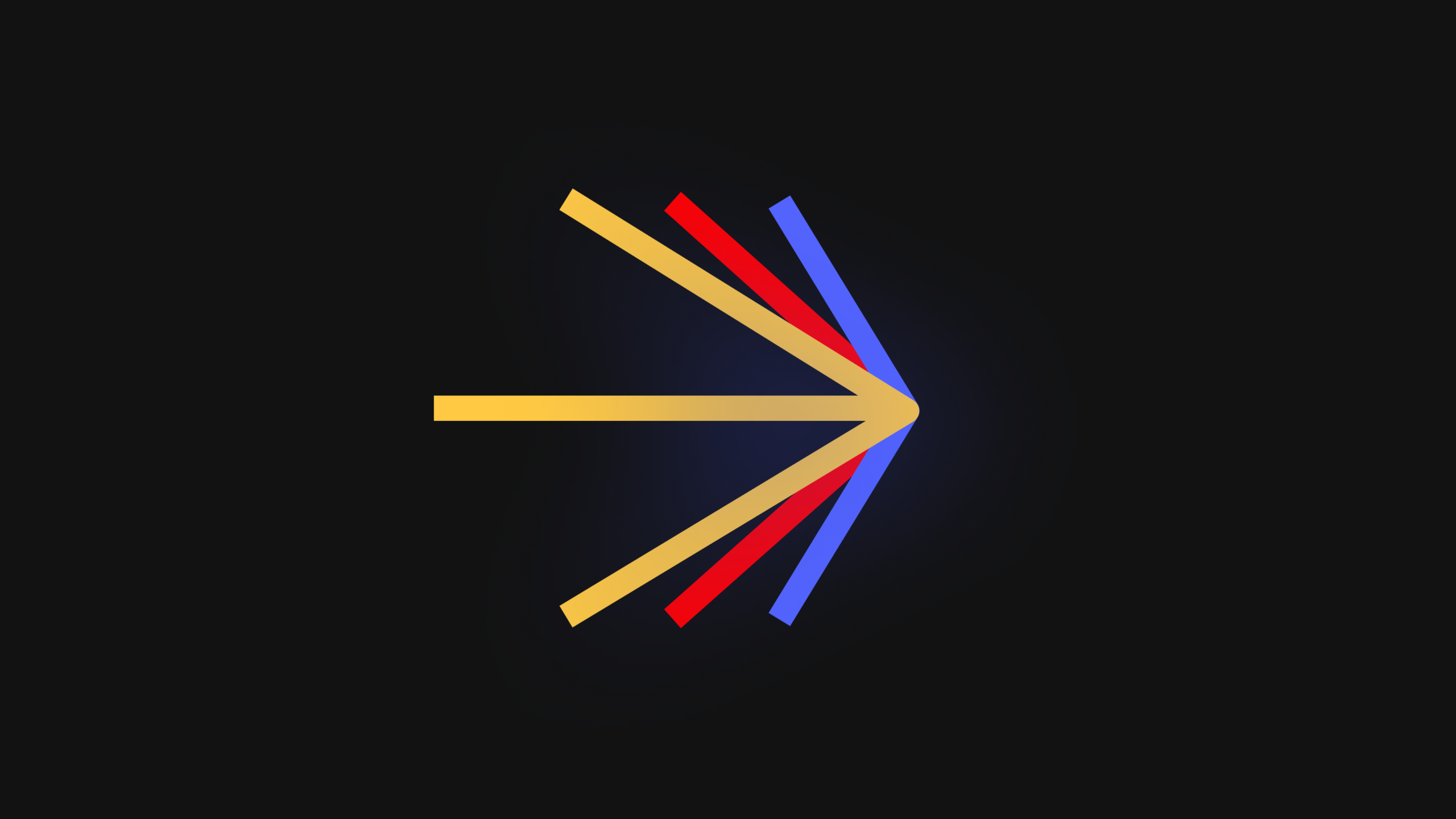
Arrows representing transitions between attentional states in the Calm Design Framework. Blue marks restorative transitions, yellow marks productive coherence transitions, red marks extractive-risk transitions.
The Calm Design Framework is an attentional accountability
framework.
Research Program: Foundational framework, underlies all CDL research programs.
Developed by: Audrey Lingstuyl, CDL founder
In development since: 2019 (7 years of practice-based research)
Presented and tested in a workshop with Design Dialogues, Barcelona
Read time: 7 min
A way of designing that treats attention not as something to capture, but as something design is always already shaping.
Most digital systems today are designed to compete for attention, more engagement, more retention, more interruption.
Responsibility for managing the fallout is then handed entirely to the individual: focus better, disconnect, build healthier habits, self-regulate. We rarely ask a more basic question: what kinds of attentional environments are we building in the first place, and what responsibility does design carry for the states it creates?
The Calm Design Framework is an attentional accountability framework. A way of designing that treats attention not as something to capture or optimize, but as something design is always already shaping, for better or worse.
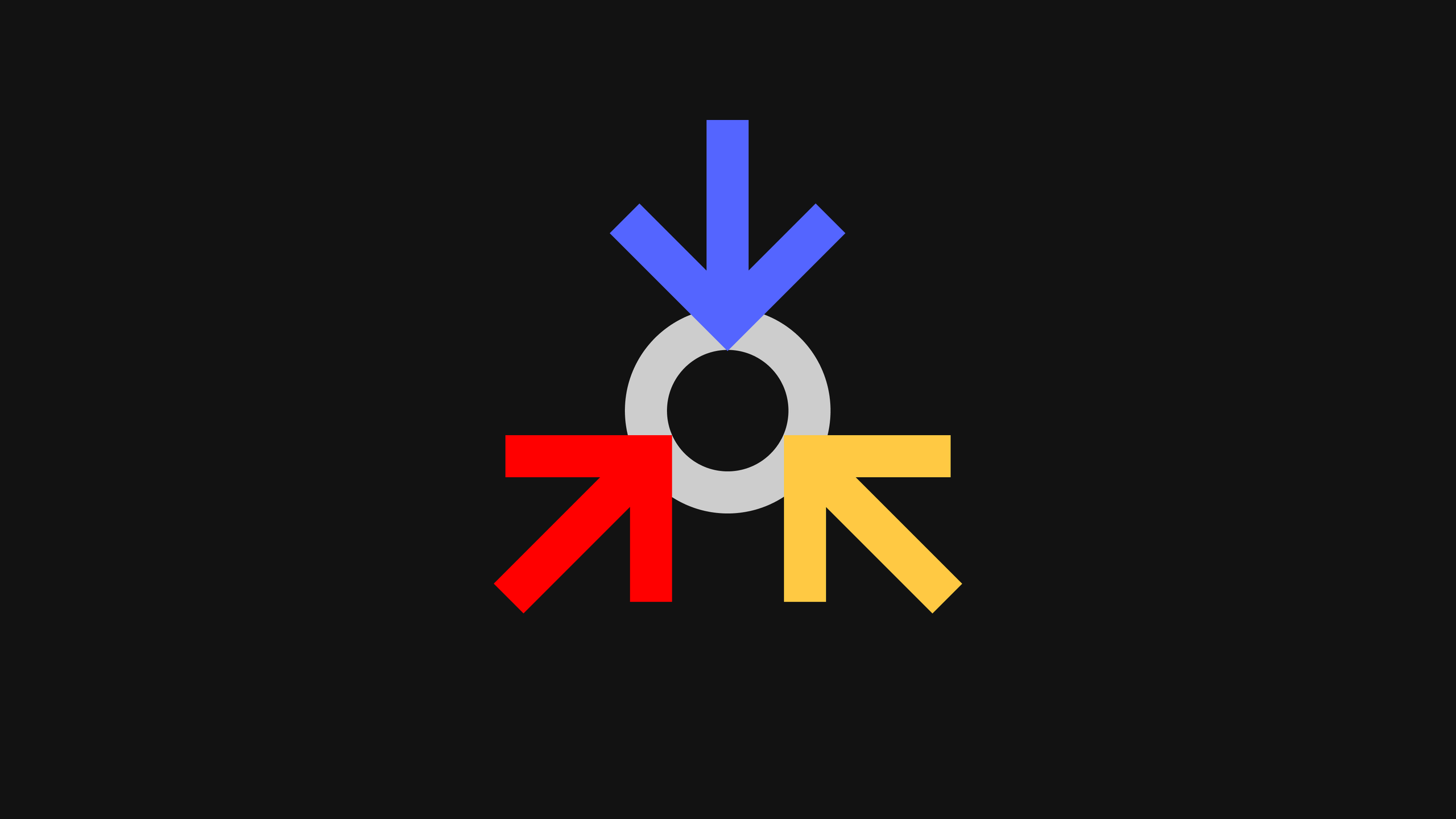
Each arrow represents a transition between attentional states, the movement the framework treats as more consequential than any single state on its own. Restorative transitions (blue) move toward Calm, supporting recovery, spacing, and regulation. Productive coherence transitions (yellow) move between Engaged, Flow, and Introspective, supporting continuity, meaning, and agency. Extractive-risk transitions (red) move toward Captured or Overwhelmed, patterns the framework asks designers to identify and reduce, not aim for.
WHAT CALM DESIGN IS NOT
Calm design is not minimalism. It is not an aesthetic. It is not about making technology invisible, or removing all stimulation. A vibrant, busy market can feel calming. A minimalist app can feel exhausting. Calm is not silence: it’s a quality of attention, and it can be found or lost in almost any register.
What calm design actually asks is more specific: what attentional states are we creating? What rhythms are we encouraging? How does an experience affect the body over time, not just the mind? And how do we design for qualities like clarity, recovery, rhythm, agency, and a sense of control, instead of designing only for efficiency or engagement?
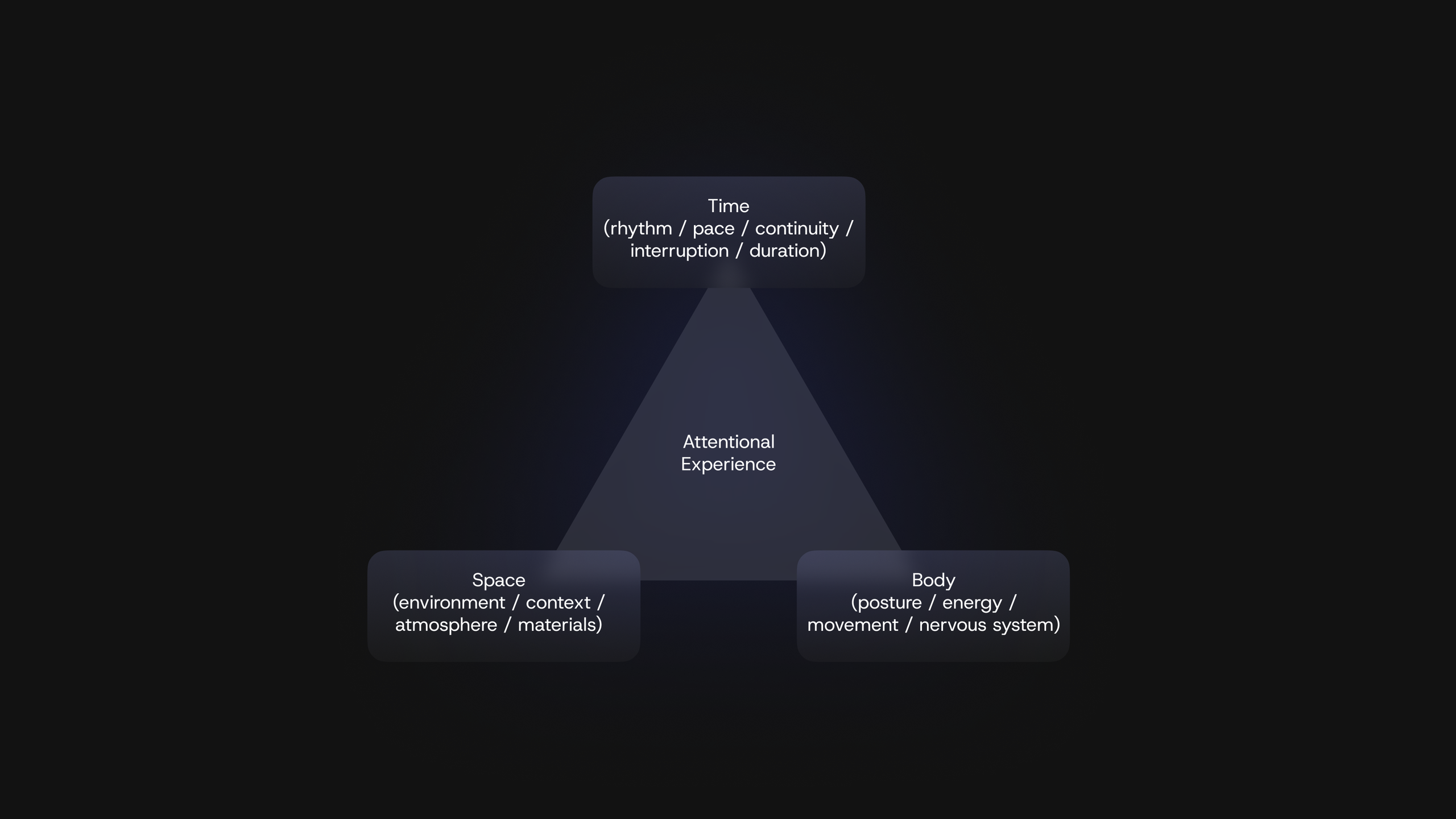
Design is never isolated from context and neither is attention. It’s shaped by time, space, and body, whether we design for that or not.
THREE DIMENSIONS: TIME, SPACE, BODY
Attention isn’t something people simply have or lack. It moves, shaped by the conditions design creates. The framework reads those
conditions through three dimensions.
- Time — time is one of the most consequential materials a designer works with. Some experiences accelerate; some fragment time into urgency; others support slowness, continuity, recovery. Forty minutes of doomscrolling and forty minutes waiting in silence are not the same forty minutes.
- Space — attention is spatial as much as cognitive. Light, sound, distance, and texture shape how an environment feels, digital or physical. Some interfaces feel crowded and pull outward; some feel breathable and keep people oriented. And a screen’s space never exists in isolation. It collapses into whatever physical space the body is actually in.
- Body — attention is embodied, not only mental. Design shapes posture, breath, eye movement, muscle tension, energy. Overstimulation is often felt —in a stiff neck, sore eyes, tension— long before it’s consciously named. Products optimized purely for cognitive metrics routinely ignore what they’re doing to the body.
Use the four levels to gradually move from observation toward interpretation. Individual criteria are less important than the relationships between them. Notice where material choices reinforce one another, where they create tension, and where one strategy produces consequences across several dimensions. The matrix becomes most useful when applied to multiple works. Compare your observations across works rather than treating each analysis as an isolated assessment.
SIX ATTENTIONAL STATES
Not all attention feels the same. These six states —not exhaustive, but the most useful ones identified so far— describe recurring qualities of attentional experience, each shaped by its own time, space, and bodily signature.
The full framework, including behavioral and experiential indicators for each state, is part of the downloadable Calm Audit.
Captured
Attention pulled and held beyond intention. Time compresses, disengaging feels hard, the body carries tension and restless energy. The scroll that continues after you meant to stop.
Overwhelmed
Attention can no longer meet what’s coming in. Time fragments into urgency, the environment feels noisy and saturated, the body registers fatigue and sensory overload. Juggling notifications while multitasking under pressure.
Calm
Attention available, regulated, non-compulsive. Time feels spacious, the environment soft and legible, the body relaxed but alert. Sitting with a cup of tea before starting work.
Engaged
Attention intentionally directed at something meaningful. Time feels present and steady, the environment clear and navigable, the body active but balanced. Reading closely, or working through a task that matters.
Flow
Attention deeply absorbed in continuous activity. Time alters or disappears, the environment recedes into the background, the body moves with energized ease. Deep creative work, or being lost in a game.
Introspective
Attention turns inward, toward reflection. Time
slows or expands, the environment is quiet and undemanding, the body settles into grounded stillness. Journaling, reflective reading, meditation.
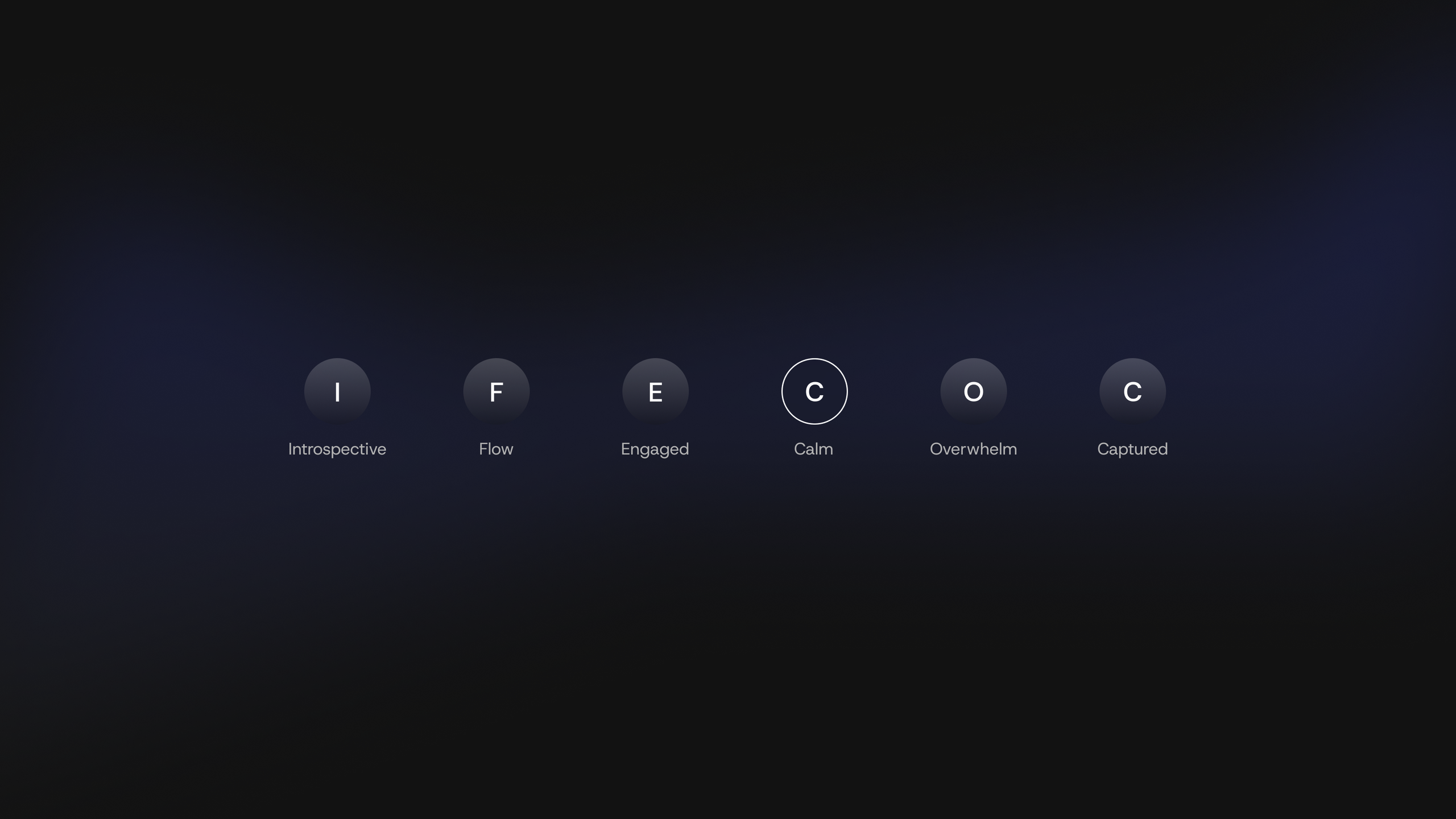
Six attentional states in the Calm Design Framework —Captured, Overwhelmed, Calm, Engaged, Flow, and Introspective— each shaped by its own quality of time, space, and body.
DESIGNING TRANSITIONS
Most experiences don’t sit in one state. Attention moves through several, and it’s the movement, not any single state, that defines how an experience actually feels. Yet most systems are designed with almost no care for transitions: notifications interrupt abruptly, platforms are built for endless continuation, and there are few endings, few pauses, few moments to reorient.
The framework’s central claim is that the quality of an experience is defined less by its main interaction and more by how attention moves between states around it.
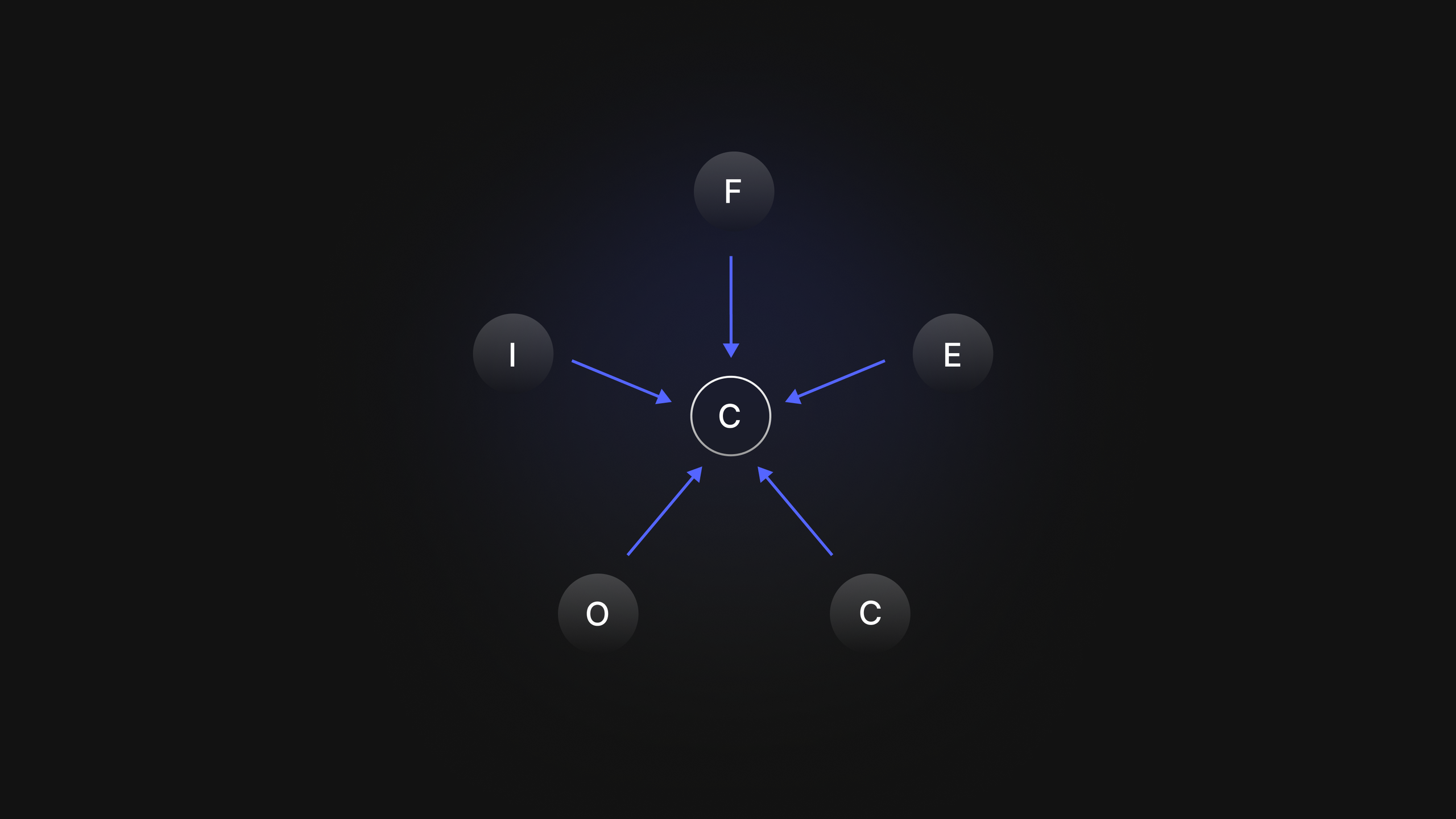
Restorative transitions move attention toward Calm, support recovery, spacing, and regulation. Example: Captured → Calm, using friction before continuation and opt-in triggers instead of push notifications to interrupt compulsive continuity.
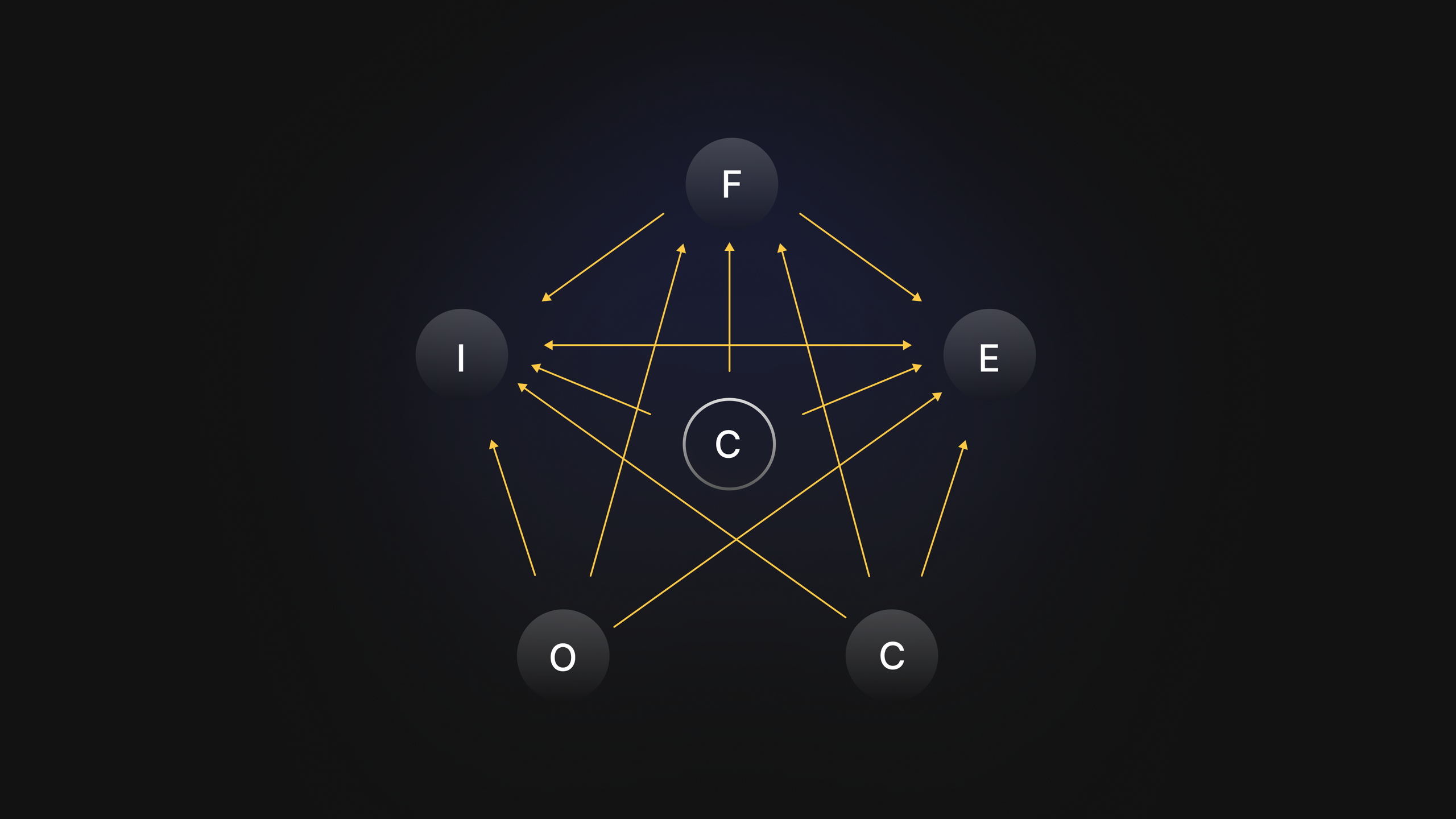
Productive coherence transitions move attention between Engaged, Flow, and Introspective. They support continuity, meaning, and agency. Example: Engaged → Flow, removing mid-task interruptions to move from deliberate action into immersion.
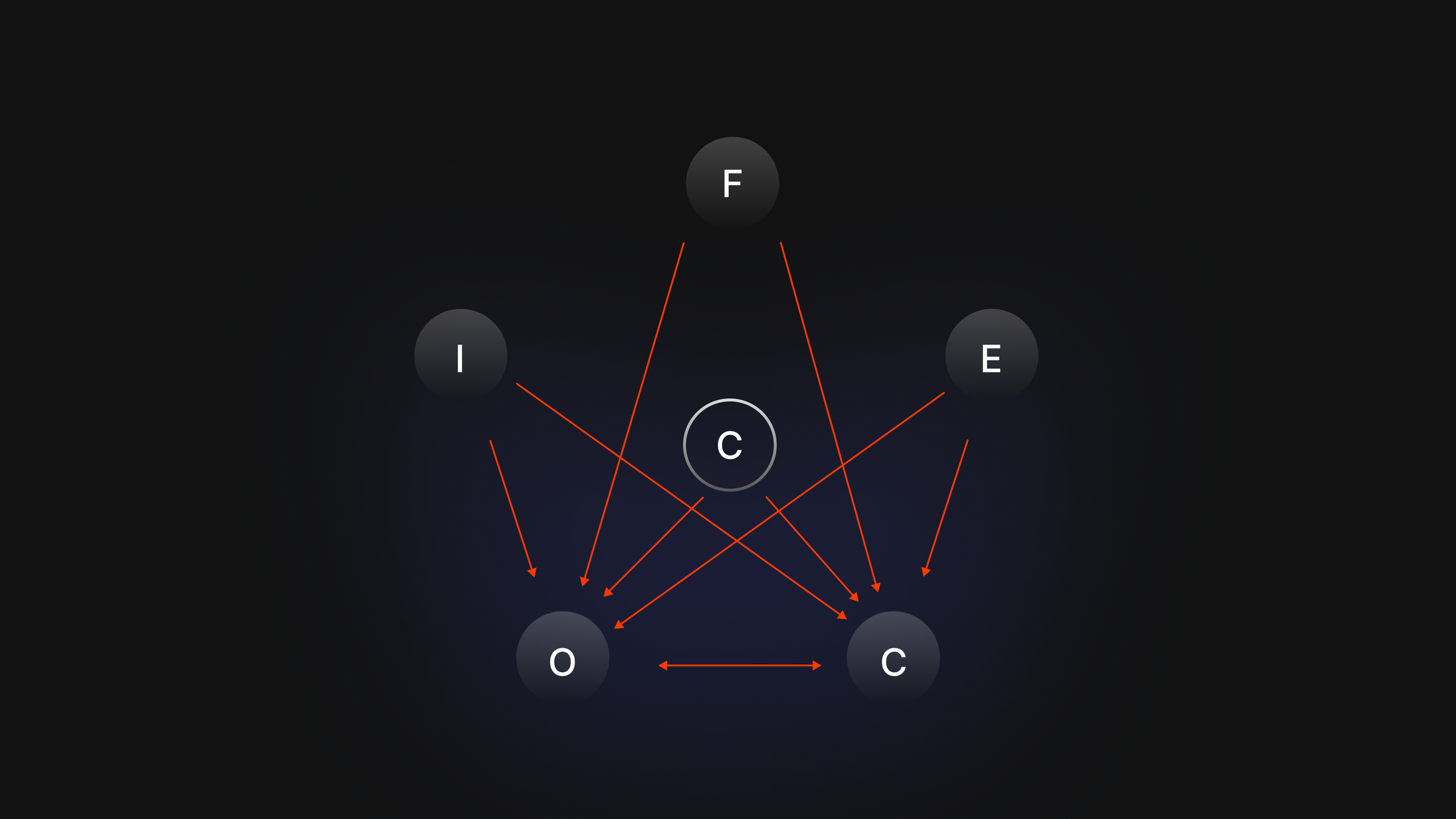
Extractive-risk transitions move attention toward Captured or Overwhelmed. These are patterns to recognize and reduce, not design goals. Example: Calm → Captured, where push notifications and urgency framing quietly cause the drift.
Not all transitions do the same work. The framework groups them into three families:
- Restorative transitions: move attention toward Calm, supporting recovery, spacing, and regulation after depletion or intensity.
- Productive coherence transitions: move attention between Engaged, Flow, and Introspective, supporting continuity, meaning, and agency across sustained, purposeful activity.
- Extractive-risk transitions: move attention toward Captured or Overwhelmed. These aren’t a design goal. They’re the patterns the framework asks designers to identify and reduce: the moments where a system pulls attention past intention instead of meeting it.
A single design decision —a notification, a progress bar, an autoplay default— can push an experience toward any of these three. The framework treats that decision as consequential as the interface itself.
The quality of an experience is defined less by its main interaction than by how attention moves between states around it.
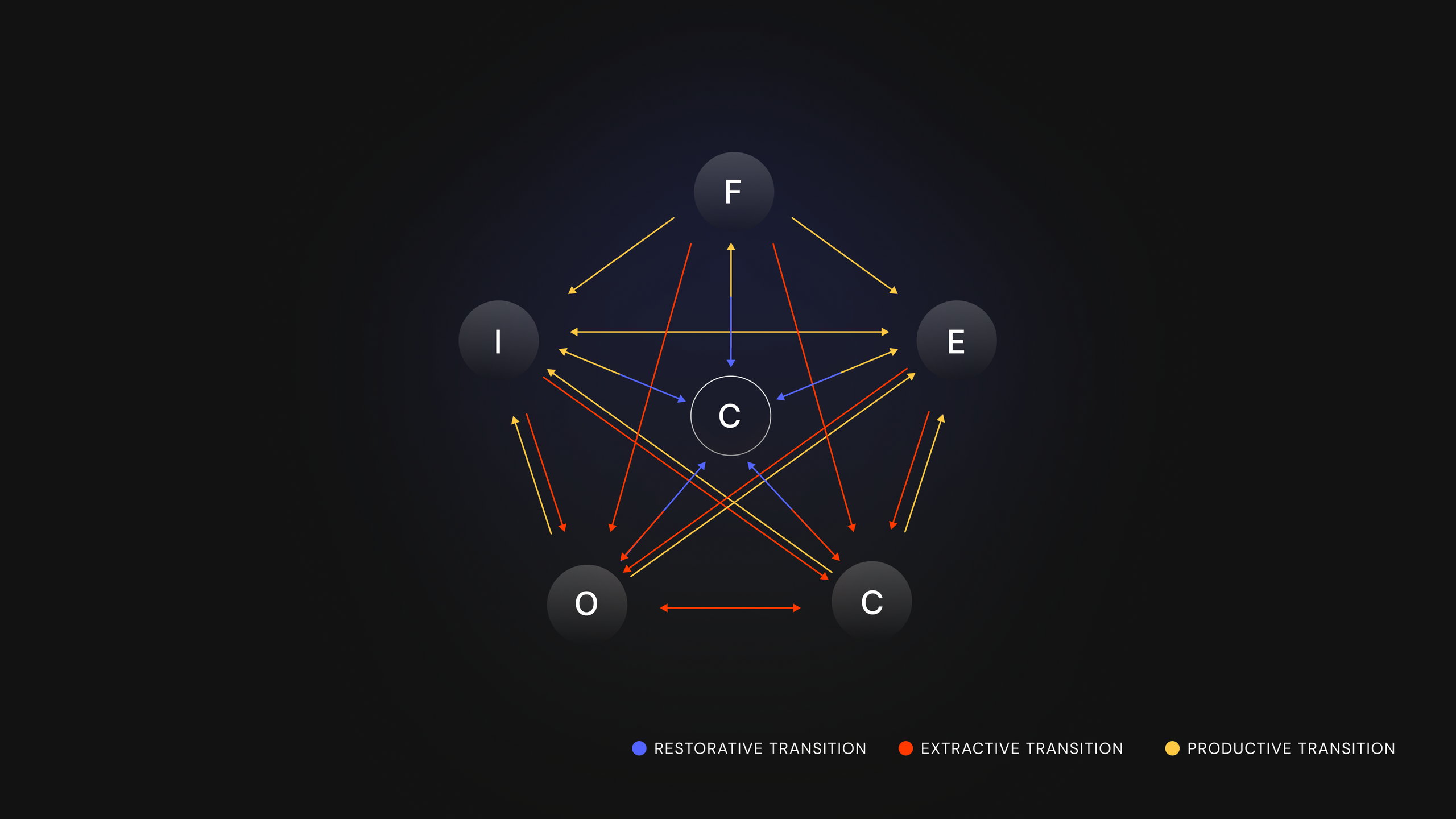
Full map of transitions between the six attentional states in the Calm Design Framework: restorative, productive coherence, and extractive-risk pathways.
TOOLS
Two tools translate the framework into practice and are available to
download.
The Calm Audit evaluates existing experiences through the lens of attentional states rather than usability alone. It’s a tool for observation, not judgment.
The Transition Toolkit goes further: for each pair of states, it maps a design lever —what to change in the system— and the effect pattern that change produces. A few examples:
- Captured → Calm: introduce friction before continuation, add session boundaries, replace push triggers with opt-in actions. Interrupts compulsive continuity and restores attentional availability.
- Engaged → Flow: remove interruptions mid-task, reduce decision branching, increase continuity of feedback. Moves from deliberate action into immersion.
- Calm → Captured (design caution): push notifications, urgency framing, and feature-overload onboarding cause this drift. Mapped here as a pattern to recognize and avoid, not a recommendation.
The full toolkit covers all six states and their transitions, including which patterns support recovery and coherence, and which quietly erode them.
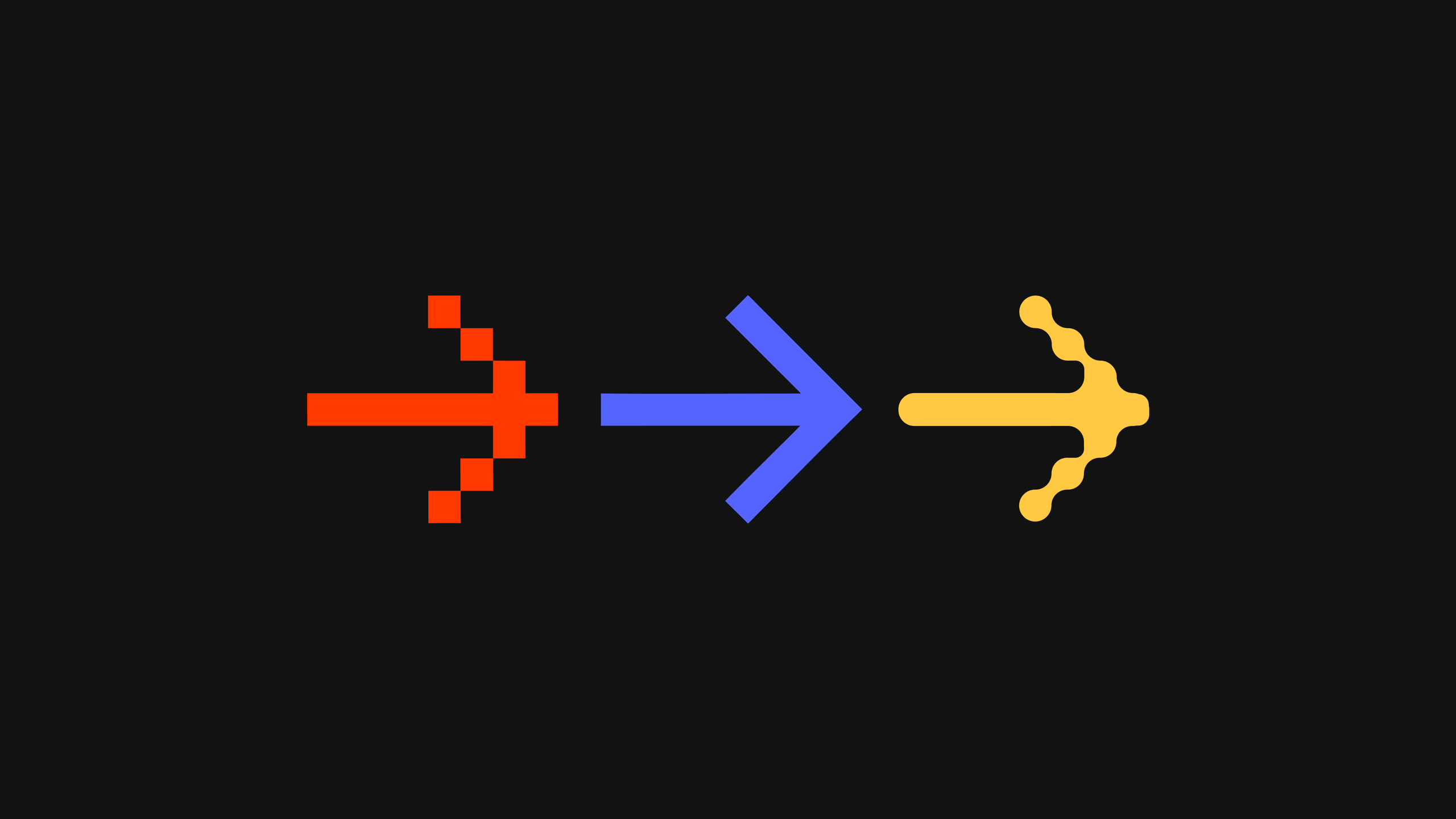
Each arrow marks where attention could go from a given state, not where it must. From the same starting point, design can lead toward extraction or toward calm. the arrow shows a choice, not a fixed trajectory.
Foundational to CDL’s research programs
This is an evolving framework, tested in workshops and applied across Calm Design Lab’s Material Attention research program. If you’re working on related questions about attention, design, and accountability, get in touch →.